A Historical Overview
In the heart of Broummana stands the parish of Saint George, a witness to an Orthodox faith that spans decades, shaped by people who believed, prayed, and raised generations in faith, love, and hope.
The oldest documented trace is a plaque above the entrance of the ancient church of Mar Chaaya (Prophet Isaiah), noting the conversion of the fortress into a church in 1560, which shows that the roots reach back far earlier still. The Church of Saint George was later built in the nineteenth century, then demolished in 1962 to make way for the new Church of Saint George in its place.
Yet the essence of the parish lies not in its buildings, but in its people. The church has been a home for all: it stood beside families, helped those in need, accompanied the sick, and shared in times of joy and sorrow. It gave great importance to teaching and spiritual formation, through activities and gatherings that drew children and young people closer to the faith and rooted in them a sense of belonging.
From Mar Chaaya to Saint George stretches a legacy of steadfastness and service. And greater than the churches and the bells are the generations who carried the faith and continued to serve it.
Today, the responsibility falls to us to safeguard the person, the faith, and the spirit of the community, and to build a parish that is an opportunity for the child, a horizon for the young, a support for the family, and a brother to those in need.
For the most beautiful legacy we leave behind is not stone, but a faithful, loving, and responsible person who carries the flame of faith from the past to generations not yet born.
The Murals of Saint Sofian Boghiu
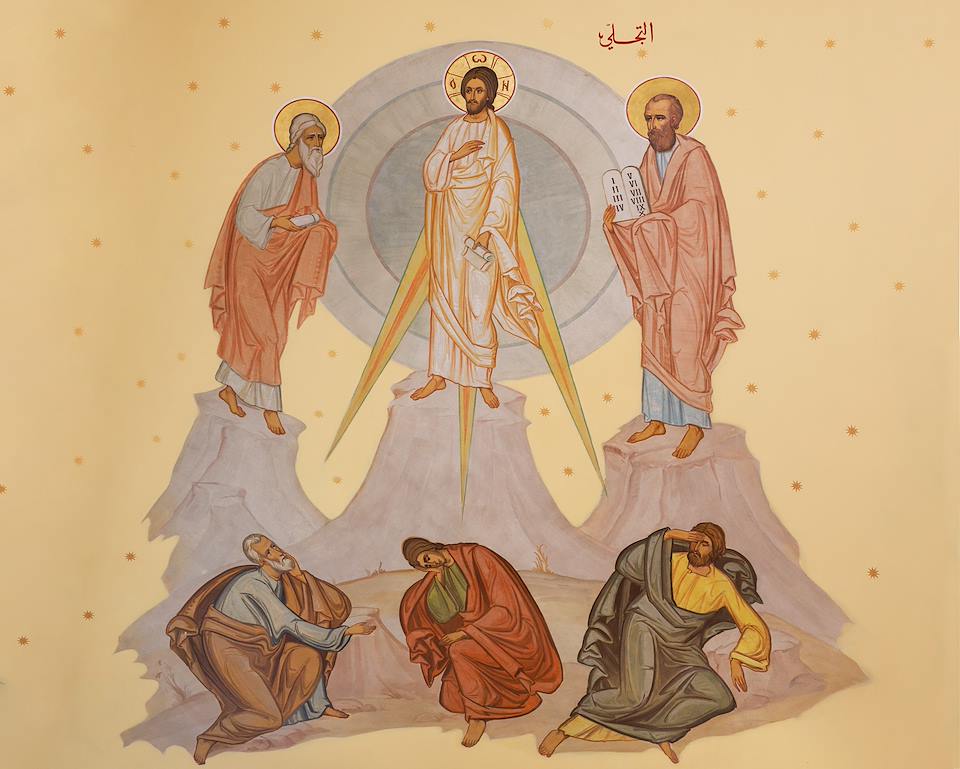
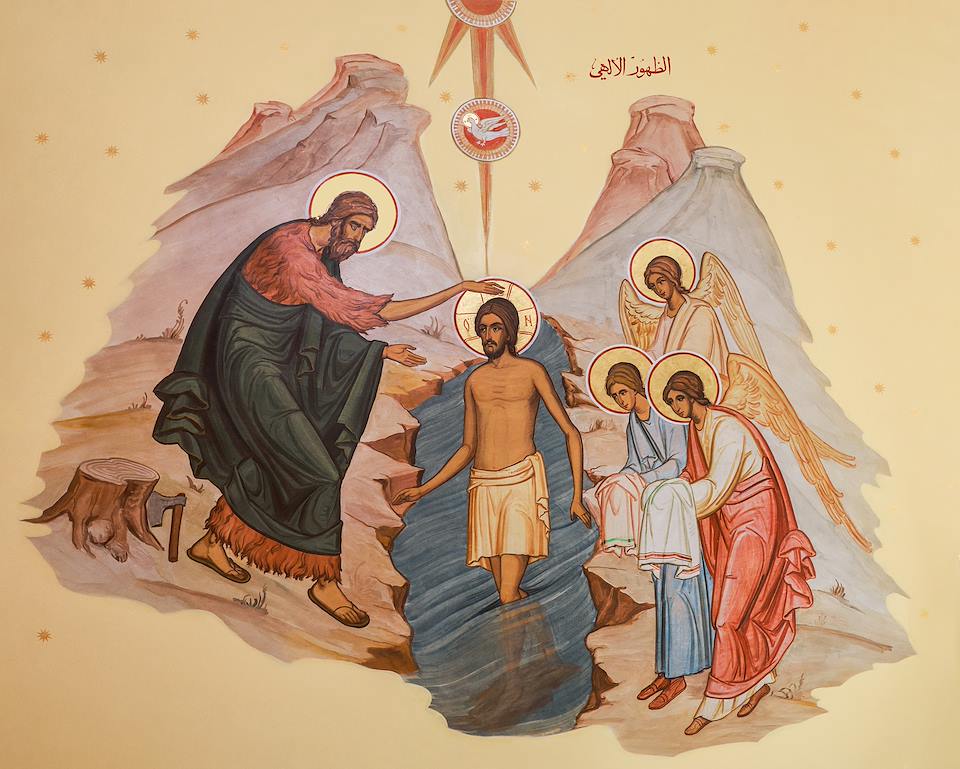
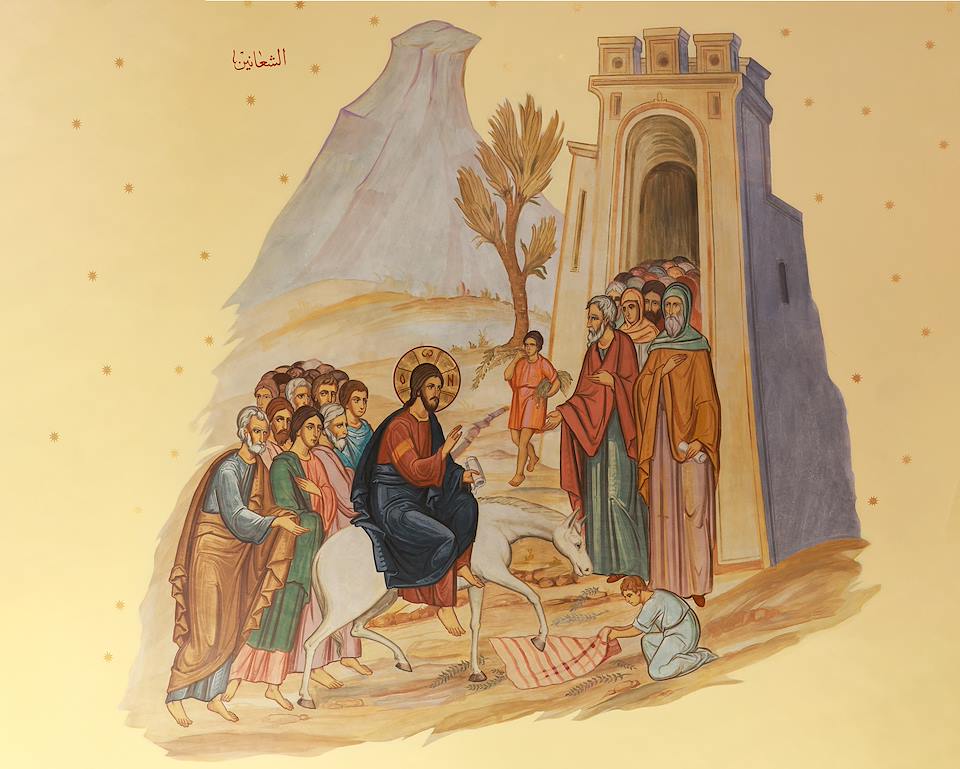
The murals of the holy father Saint Sofian Boghiu in the Church of Saint George in Broummana, Mount Lebanon, carry profound spiritual messages that transcend visual art to embody the true meanings of faith, resonating deeply with the spirit of the Orthodox Church. Their calm colours reflect a delicate spiritual character. Their strength lies not in the intensity or complexity of the colours, but in the depth of the meanings they convey and in a simplicity that touches the heart and opens the door to spiritual contemplation.
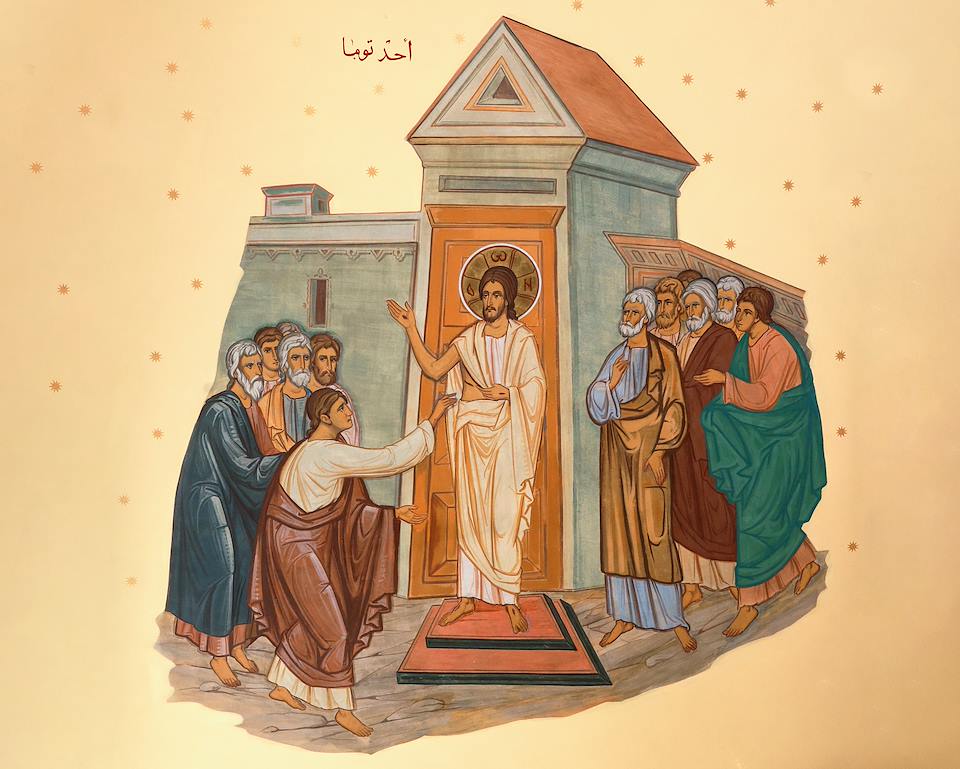
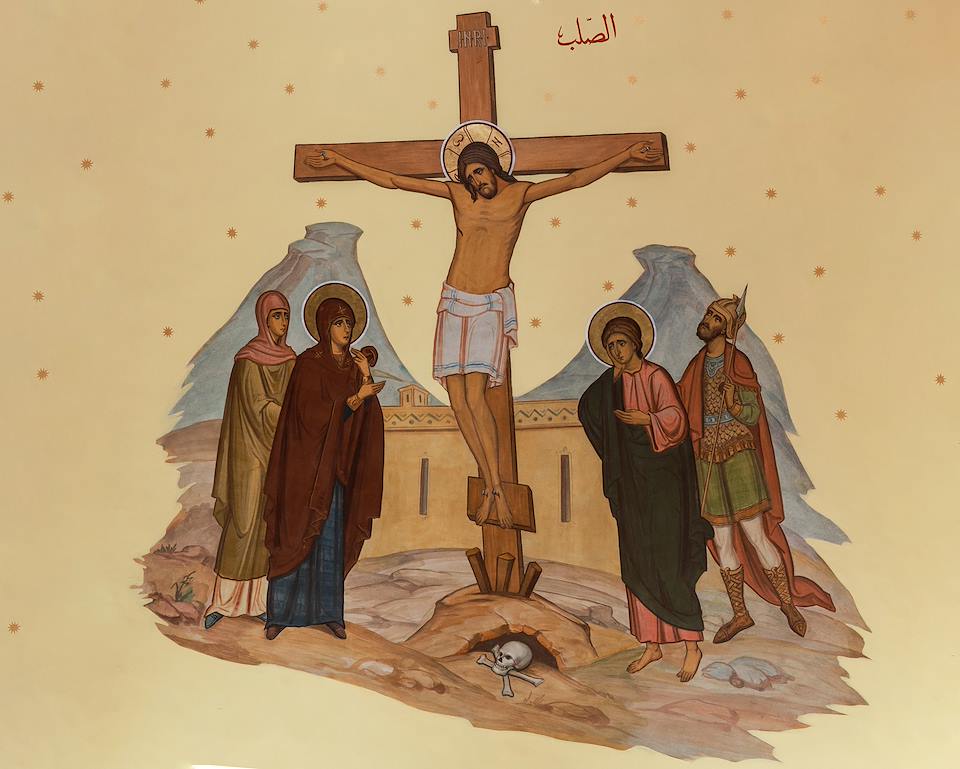
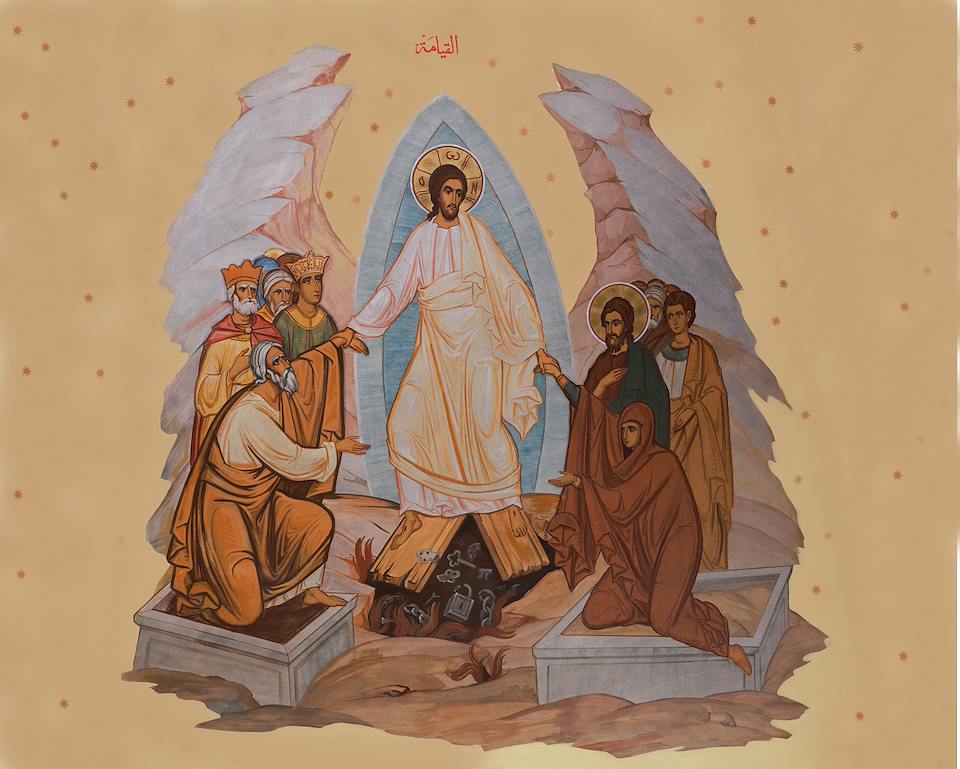
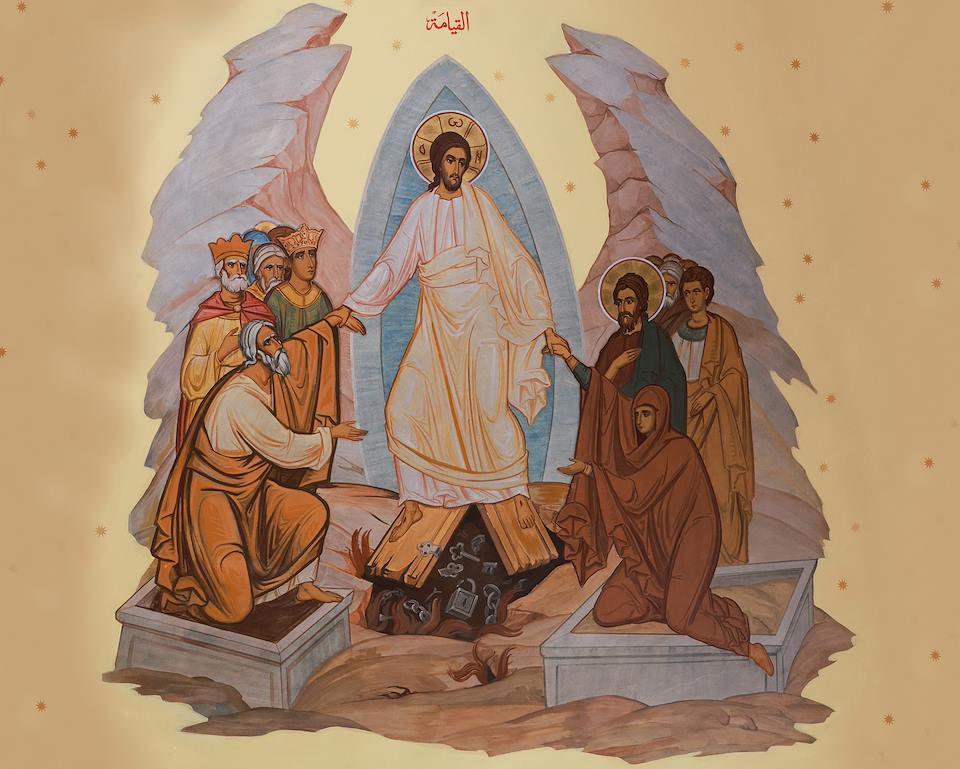
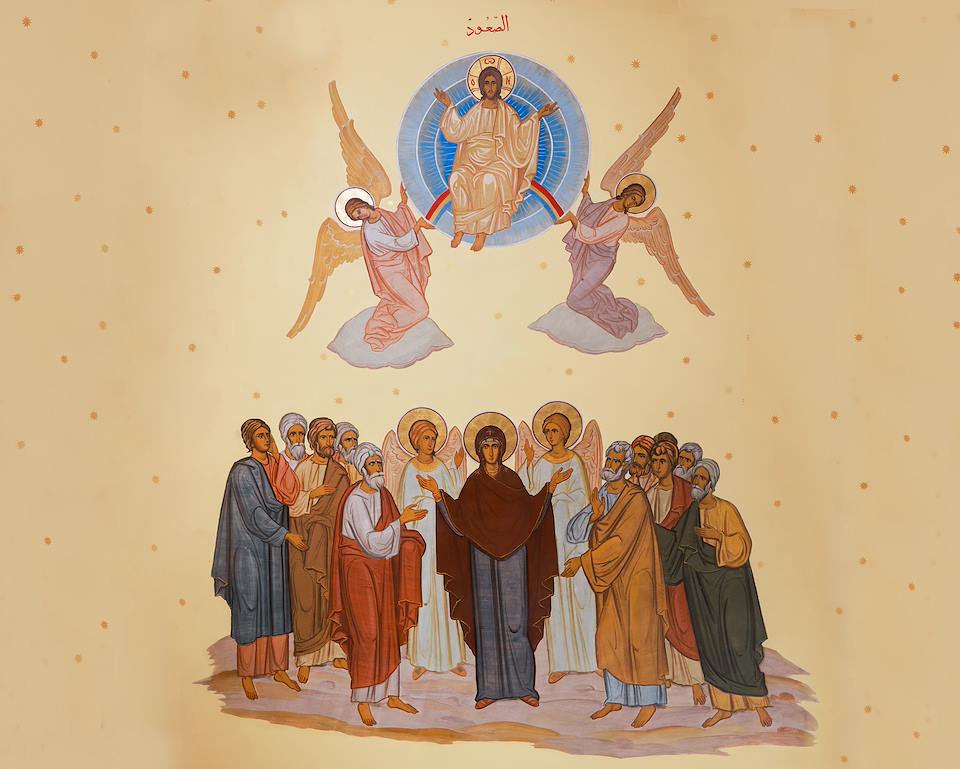
The arrangement of these murals is not random, but reflects the journey of Orthodox faith. A visitor to the church begins by contemplating the «Hospitality of Abraham», a mural that symbolises the Holy Trinity. It forms the starting point for the understanding of faith in the Church. Orthodox faith begins and ends in the Holy Trinity, where the Father, the Son and the Holy Spirit are the source of all life and the pillar upon which everything in the Church rests. This beginning is, in essence, a call to enter the depths of the divine mystery, for true faith cannot be understood without grasping the relationship between the three persons of the Trinity.
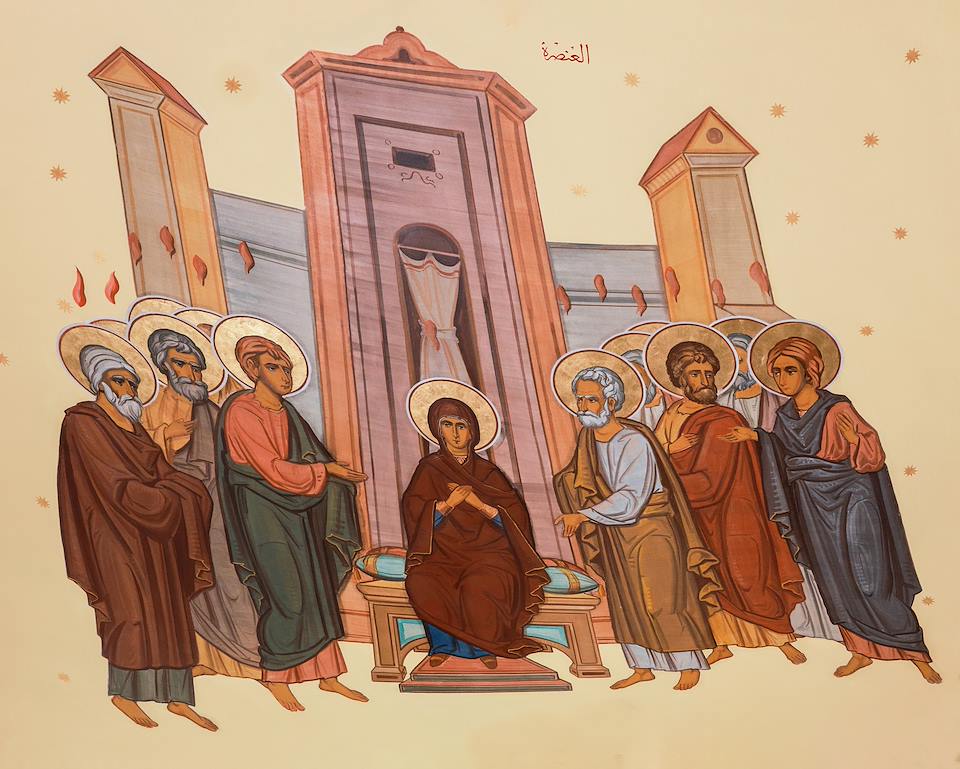
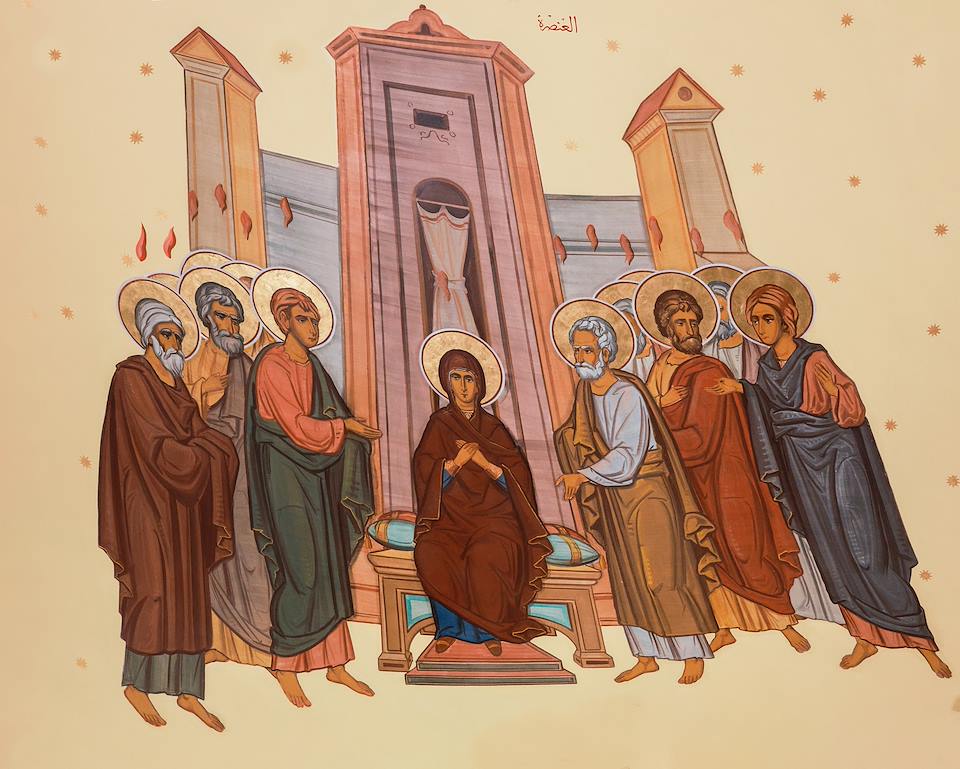
After the «Hospitality of Abraham», the murals proceed to narrate the story of salvation in the New Testament, beginning with the «Annunciation», where the angel tells the Virgin Mary of the Word of God coming into her womb, followed by the Nativity of the Lord Jesus in the cave of Bethlehem, then the Baptism, leading to Pentecost, when the Holy Spirit descended upon the disciples in the Upper Room of Zion, kindling in them the fire of faith and perseverance to carry the message of salvation to the world.
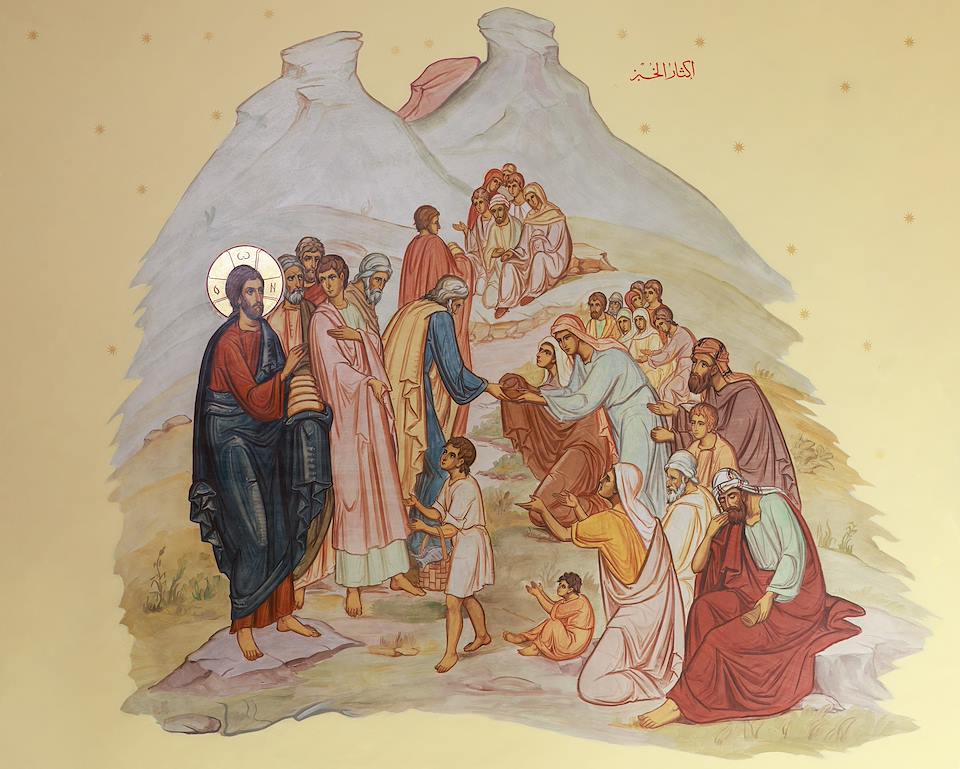
One mural, however, stands out and breaks this traditional sequence: the «Multiplication of Loaves», or «Feeding the Hungry». This mural, located above the western door of the church, faces those entering from the place where the sacred chalice is brought forth. Its position is no coincidence, but a profound expression of the message Father Saint Sofian Boghiu sought to convey to the Church and to visitors passing through this entrance.
Father Sofian intended to tell us that we cannot understand the true meaning of Christ in the Holy Sacrament, in the sacred cup, unless we first see Him in the hungry and the needy. If we wish to encounter Christ in the Eucharist, we must first recognise Him in the face of the poor and deprived. As Saint John Chrysostom says: «If you want to see Christ in the holy cup, you must first see Him in the hungry and the needy.» These words embody the thought of the Orthodox Church, which does not separate the worship of God from care for humanity. Through serving those in need, we touch the face of Christ, who told us: «Whatever you did for one of the least of these brothers of mine, you did for me.»
The «Multiplication of Loaves» invites us to contemplate deeply the meaning of bread as a symbol of Christ's Body and the spiritual meaning of this act, which goes beyond merely providing food for the hungry to offering true life in Christ to every person in hardship.
Through this mural, Father Sofian Boghiu calls us to be more aware of the world around us and to embody in our daily lives the Christian message that proclaims God's love for humanity. That love is clearly manifested in serving others, sharing food and drink, and helping the poor and needy. If Christ came to feed the hungry and comfort the sorrowful, then we must follow in His footsteps and carry His message wherever we go.
Placed above the entrance, the mural opens before us another gate for reflection and repentance. What we experience inside through the Divine Liturgy and the Holy Sacrament is the culmination of what we should live outside: life in the love of Christ, which knows no bounds within the walls of the church but extends to every person and every aspect of our lives.